
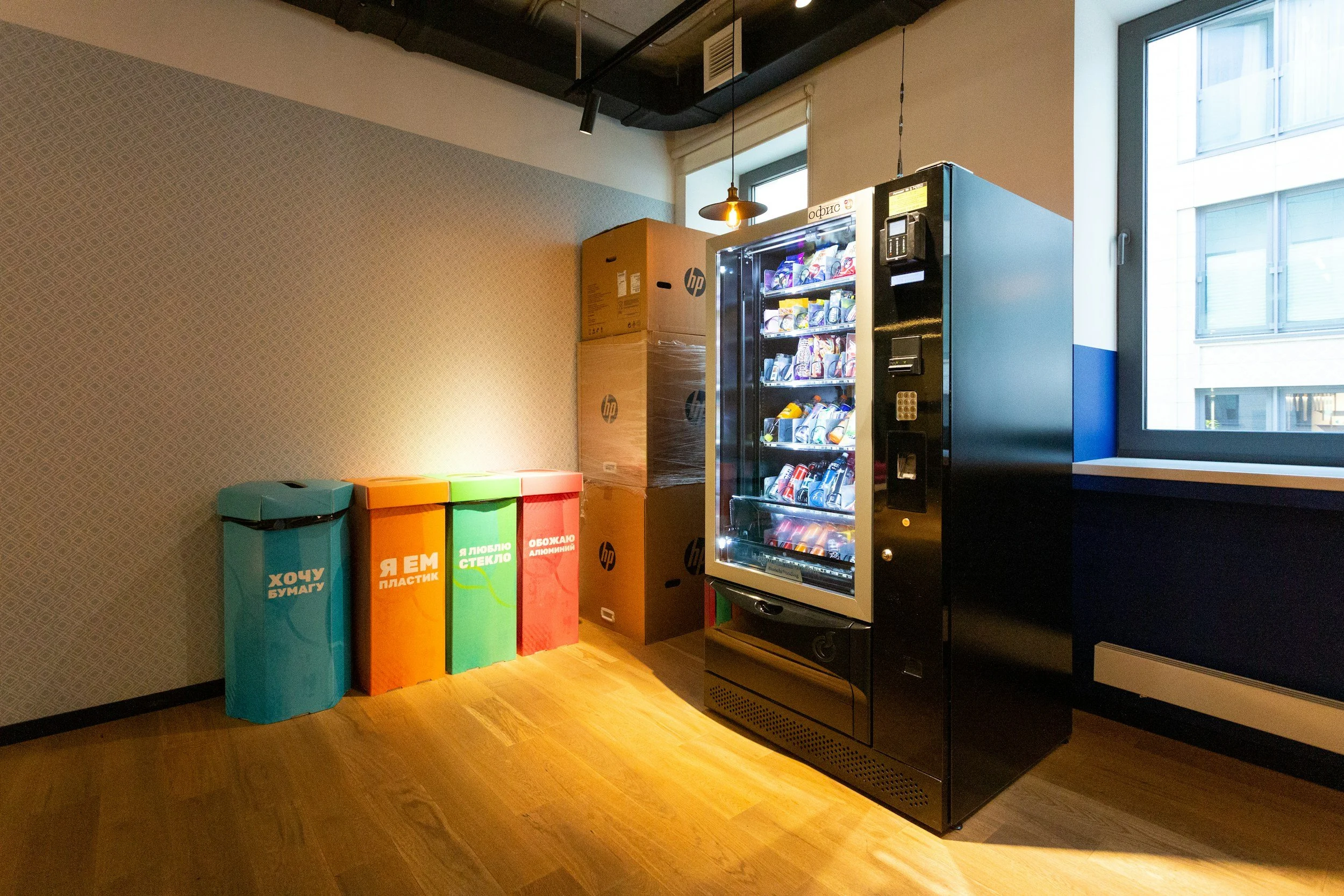
Vending Routes: Complete Guide
Costs, earnings, and how vending businesses operate.
Vending routes are independently owned businesses that service vending machines in offices, schools, hospitals, and other commercial locations. Whether you’re a buyer, investor, contractor, or seller, this guide covers how vending routes work, what it costs to operate, and what to expect financially and operationally.
Frequently Asked Questions
-
A vending business is a flexible, scalable operation where you own machines that sell products like snacks or drinks, manage restocking and placement, and can grow without a storefront or employees.
A vending business is a simple, automated way to sell products, from snacks and drinks to tech accessories and personal care items. As the owner, you choose your machines, place them in high-traffic locations, stock inventory, and maintain equipment. Here’s why vending is an attractive business opportunity and how it works:
Business Model
You own machines that automatically sell products without needing employees.
Revenue comes directly from the products sold in each machine.
Operators manage placement, restocking, and maintenance.
Scalability and Flexibility
Start with one or two machines and expand as you learn the business.
No storefront, no large staff, and no prior experience required.
Work schedule and route size are completely under your control.
Industry Opportunity
The global vending industry is projected to reach $146 billion by 2027.
Growing demand across snacks, drinks, healthy foods, and convenience items makes it a strong opportunity for new entrepreneurs.
-
Yes, vending is an easy, low-cost business to start with no prior experience or storefront needed, allowing you to generate income quickly with one machine and scale over time.
Vending is one of the easiest and most accessible businesses to start, requiring no prior experience, storefront, or large staff. With a single machine in the right location and consistent management, you can begin generating income quickly and scale over time.
Getting Started
Start with one machine and a strong location to learn the business hands-on
Reinvest profits to gradually expand your route with additional machines
Why It’s Accessible
Low startup costs and flexible hours make it ideal for people with full-time jobs, families, or limited business experience
A growing industry provides opportunities to scale and generate meaningful income
-
Starting a vending business can cost just a few thousand dollars for one or two used machines up to $10,000–$15,000 for multiple machines, plus a small budget for inventory, permits, and insurance.
The vending industry is one of the most budget-friendly ways to start a business, and your total startup cost depends on how many machines you want to launch with. Many new operators get started for just a few thousand dollars, especially if they begin with used equipment and a small inventory. Here’s a clear breakdown of startup costs.
Machine Costs
Used machines: Typically $1,500–$5,000 for one or two machines.
New machines: Usually $3,000–$10,000 each, depending on features such as card readers, refrigeration, or combo setups.
Inventory & Setup
Initial product inventory: Around $200–$1,000, depending on machine size and product mix.
Other costs: Permits, insurance, and occasional installation or delivery fees.
Scaling Your Investment
Many beginners start with one machine, learn the business, and reinvest profits to grow.
If you prefer to launch with multiple machines right away, expect to invest around $10,000–$15,000 to start at a small scale.
-
Vending businesses typically require a few hours of involvement per week for stocking, maintenance, market research, and trend tracking. As more machines are added, more involvement may be necessary or an employee can be hired.
Vending isn’t a “set it and forget it” business, but it requires far less time and hands-on involvement than most traditional storefront operations. As the operator, your main tasks are stocking, cleaning, and keeping up with product demand—all on a schedule you control. Here’s a clear breakdown of what day-to-day involvement looks like.
Core Responsibilities
Restocking machines with snacks, drinks, or other products
Cleaning machines and keeping them presentable
Performing simple maintenance and troubleshooting minor issues
Monitoring sales data to see what’s selling and what needs restocking
Customer & Location Management
Rotating new products based on trends or requests
Responding to occasional calls from customers or property managers
Ensuring machines stay full and functional to keep locations happy
Flexible Time Commitment
Small routes may require only a few hours per week
Larger fleets need more regular attention but can be scaled gradually
Operators choose their own pace—vending grows only when they’re ready to expand
-
No, vending businesses do not need an office space and can be run from home.
You don’t need office space to run a vending business, which is one of the biggest reasons it’s so affordable and accessible. Most operators handle everything from home, using only a small storage area for inventory and supplies.
Home-Based Operations
No storefront, warehouse, or dedicated office is required
A garage, spare room, or small storage area is usually enough for products and cleaning items
Low overhead keeps monthly expenses minimal
Business Footprint in the Field
Your “workspace” is wherever your machines are located
All activity—restocking, cleaning, collecting revenue—happens on-site
No central facility means greater mobility and faster service
Why This Matters
Eliminating office or warehouse costs keeps the business highly affordable
New operators can focus their money and time on securing high-performing locations, which drive the bulk of vending income
-
Yes, vending machines businesses can be financed using the SBA, conventional, or equipment loans.
Vending businesses can be financed in several ways, whether you’re buying your first machine or expanding a growing route. Many operators start small with cash but use financing to scale faster and acquire more machines or locations.
SBA & Conventional Loans
SBA 7(a) loans: Popular for new business owners because they offer long repayment terms and lower monthly payments.
Conventional loans: Another option, though they typically come with higher monthly payments
Equipment Financing
The machines themselves act as collateral, reducing risk for lenders.
Often results in better terms, lower interest rates, and faster approval timelines.
Ideal for buying multiple machines or upgrading to newer models.
Cash & Hybrid Approaches
Some owners use cash for initial machines to avoid debt.
Many eventually blend cash + financing to scale more quickly while keeping payments manageable.
For more information, read Startup Costs, Profit Potential, and Financing Your Vending Business.
-
On average, a vending machine generally earns $200 to $300 per month but can be higher or lower depending on location and product mix.
Vending income can vary widely depending on location quality, foot traffic, product mix, and how many machines you operate. Most operators start with modest earnings and scale up as they secure stronger locations.
Average Earnings per Machine
$200–$300 per month is the industry average for a standard snack or drink machine.
Strong, high-traffic locations can earn $400+ per month per machine.
Machines with card readers or premium placement often outperform these averages.
Scaling to Real Income
Operators aiming for meaningful cash flow typically grow to 10–15 machines, which can generate consistent recurring income.
Each added machine becomes another predictable revenue stream, making scaling straightforward.
Industry Opportunity
The vending industry generates over $8 billion annually, showing strong ongoing consumer demand.
With smart placements, modern machines, and good product rotation, operators can significantly increase monthly revenue and long-term profitability.
For more information, read Startup Costs, Profit Potential, and Financing Your Vending Business.
-
When scouting vending locations, search for visible locations with high foot traffic, a power source, and an appropriate setting for your vending items.
Finding profitable locations is the most important skill in vending, as high-traffic, high-need sites drive consistent sales. Success depends on choosing visible locations with adequate foot traffic and matching your products and machines to the environment.
Identifying Strong Locations
Ideal sites include offices, gyms, hospitals, apartment complexes, laundromats, schools, hotels, and transportation hubs.
Look for visibility, consistent traffic, and access to power before committing.
Securing the Site
Approach property owners or managers professionally with a simple proposal, business card, and clear explanation of benefits, like added convenience or optional commission.
Optimizing Product Fit
Match the machine type and product mix to the location.
Machines that meet a real need outperform those simply taking up space.
To find out more, read Finding the Right Location for Your Vending Business.
-
The best vending machine for your business depends on your location, customer base, and the products your audience prefers.
Choosing the right type of machine and stocking it with products that match the site can significantly impact profitability.
Machine Types and Costs
Snack machines: $3,000–$5,000
Drink machines: $4,000–$6,000
Combo machines (snacks + drinks): $3,000–$5,500
Matching Products to Locations
Gyms: protein bars, sports drinks
Offices: beverages, better-for-you snacks
Hotels: bottled water, grab-and-go essentials
Modern Payment Options
Machines with card and mobile payment support are highly recommended
Cashless machines generally increase revenue and reduce maintenance issues
-
Vending can be rewarding but comes with challenges like keeping machines stocked, finding strong locations, handling repairs, and preventing theft, all of which are manageable with consistency and smart planning.
While vending can be highly rewarding, new operators should understand the main challenges involved. Maintaining stocked machines, finding strong locations, and handling occasional repairs are key hurdles, but all are manageable with planning and consistency.
Common Challenges
Keeping machines fully stocked to avoid lost sales
Finding profitable, high-traffic, and secure locations
Performing maintenance or repairs as needed
Profit and Security Considerations
Small routes with only one or two machines may have tight profit margins
Machines in low-security areas can be vulnerable to theft or vandalism
Overcoming Challenges
Consistency, smart decision-making, and learning from experience help operators succeed
Once strong locations and routines are established, the business can become predictable and steady
Ready to get started?
Explore listings or learn the basics with our free 101 course.

Why Contractors and Investors Trust Route Consultant
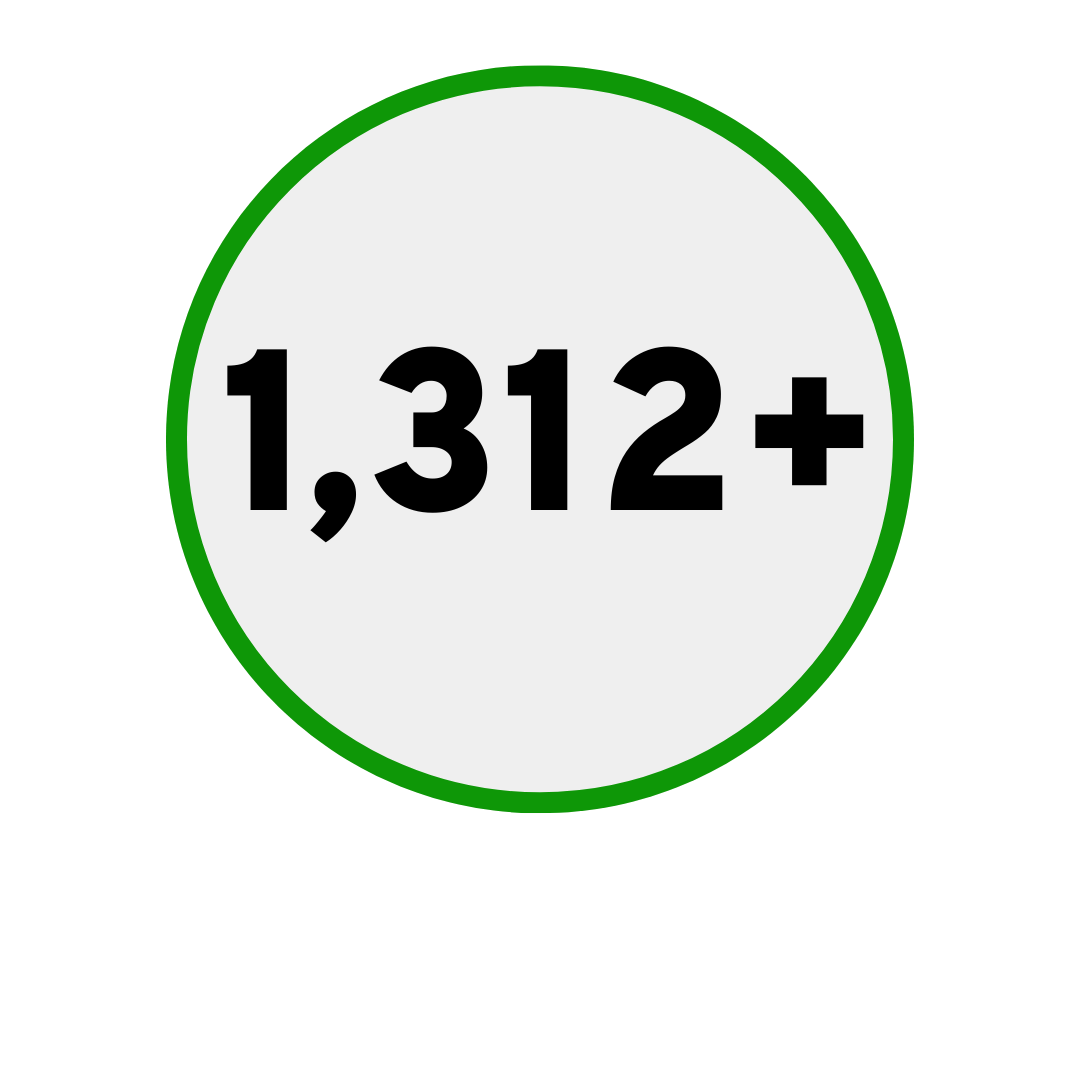
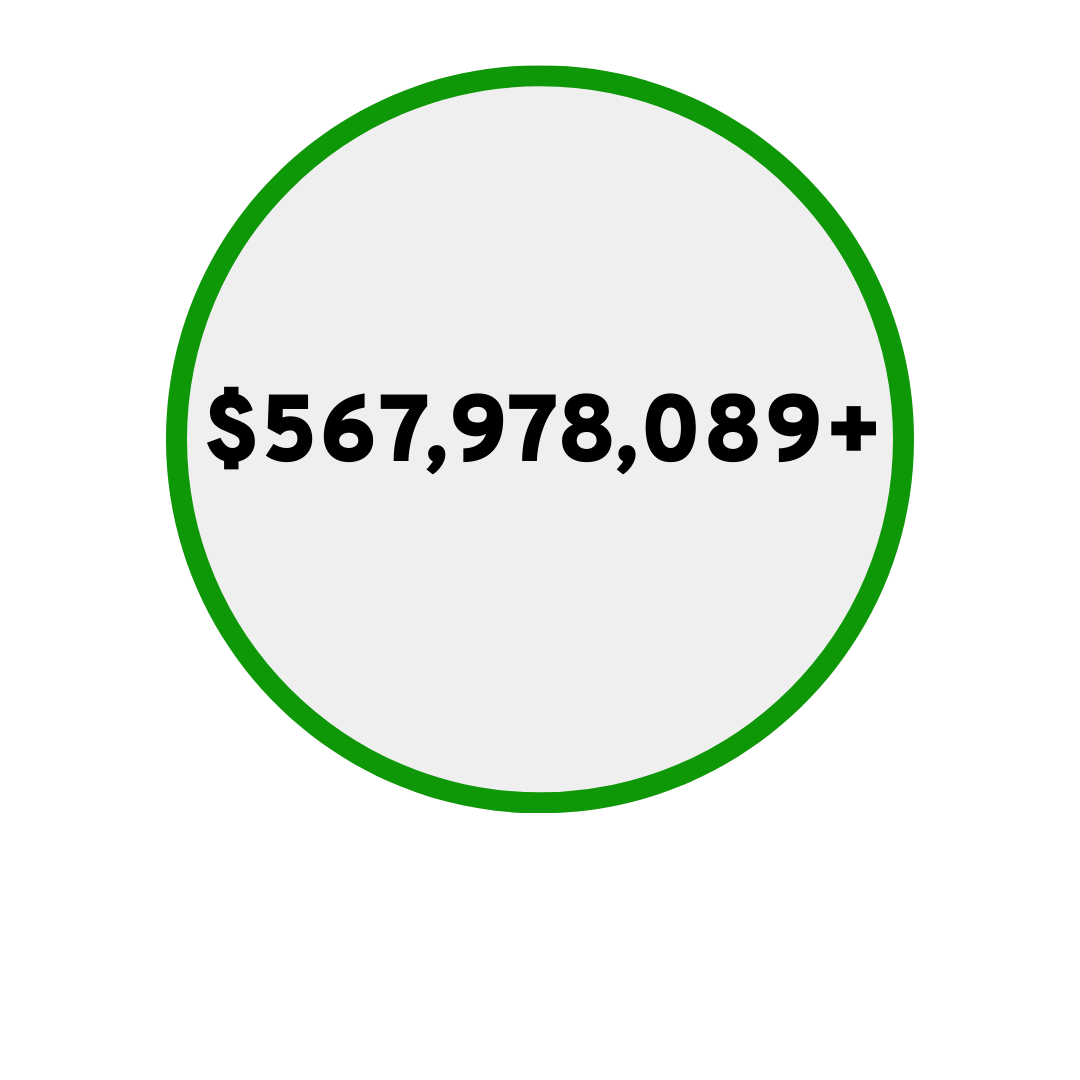
Industry Leadership
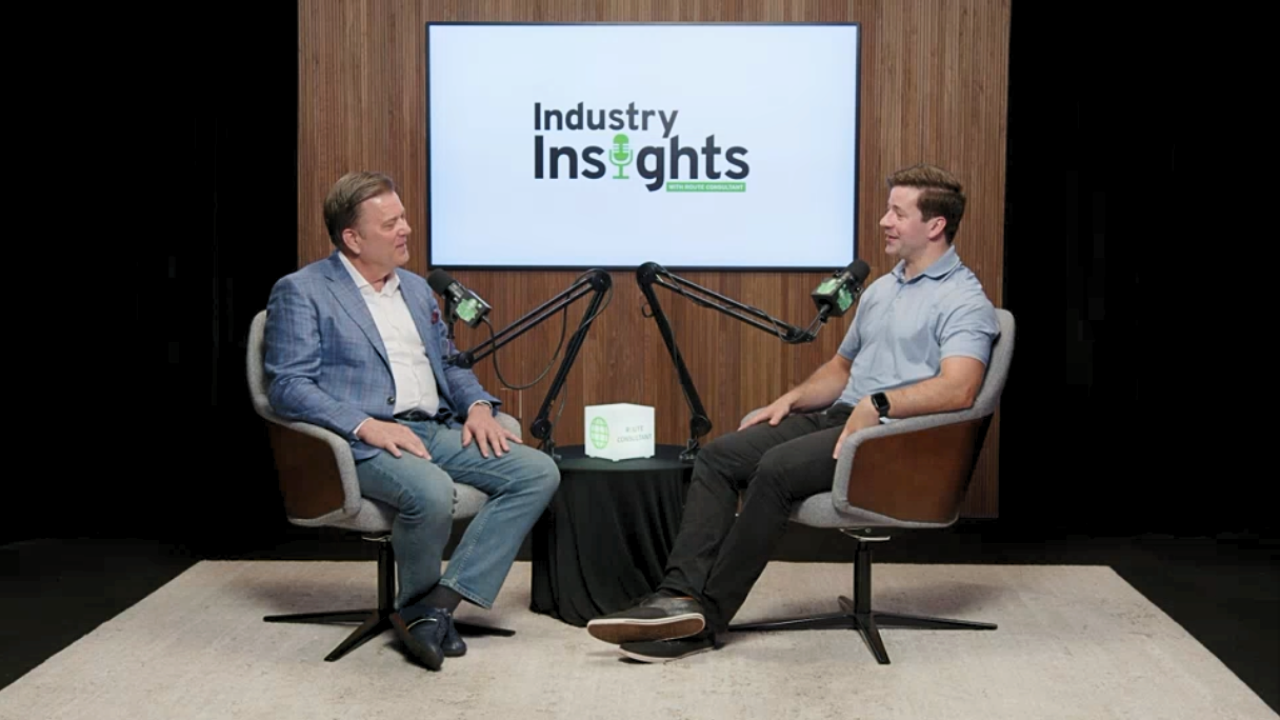
We also publish weekly Industry Insights, one of the most comprehensive knowledge hubs for route-based businesses—covering entrepreneur stories, business strategies, industry updates, and more.