
Waste Services + Garbage Route Businesses: Complete Guide
Costs, earnings, and how waste route businesses operate.
Waste services routes are contracted service businesses that provide residential and commercial trash, recycling, and waste collection. Whether you’re a buyer, investor, contractor, or seller, this guide covers how waste management routes operate, startup and operating costs, and what to expect financially and operationally.
Frequently Asked Questions
-
Startup costs for a waste management business vary widely, but most new operators should expect anywhere from tens of thousands to several hundred thousand dollars, depending on equipment, route size, and whether they’re buying an existing business or starting from scratch.
The amount of money you need depends heavily on whether you purchase an existing operation or build your own from the ground up. Existing businesses come with routes, equipment, and revenue, while startups require more upfront spending on trucks, containers, and customer acquisition.
In short, buying an existing business requires a significant upfront investment or financing, while starting from scratch typically involves larger equipment purchases and higher early marketing costs. The details below will help you estimate your specific needs.
Costs When Purchasing an Existing Business
Acquisition price: Your largest expense; varies based on route density, customer mix, and equipment age.
Down payment: Typically 10–20% of the asking price if financing the purchase.
Additional expenses:
Transfer fees or legal fees
Equipment upgrades or replacements
Working capital for payroll, fuel, and operations during transition
Costs When Starting From Scratch
Equipment:
Compactor or rear-load trucks
Roll-off trucks (if offering dumpster service)
Dumpsters, carts, and waste containers
Startup infrastructure:
Insurance, permits, and facility space
Software for routing, billing, and customer management
Marketing & growth:
Branding, advertising, and community outreach
Early recruiting and training for drivers or helpers
Factors That Influence Your Total Investment
Residential vs. commercial routes
Service type (cart service, dumpster service, roll-off, recycling)
Financing structure and interest rates
Local disposal fees and dump or transfer station costs
Professional Support
You don’t need to navigate the process alone. Route Consultant can guide you through evaluating opportunities, understanding costs, and choosing the path that fits your financial goals.
-
Your involvement can range from daily, hands-on operation to a more remote ownership, depending on the size and infrastructure of your business.
Your involvement level is dependent on the size of your business and personal preference. You can expect to be heavily involved on a daily basis when you start your business. As you grow and add additional personnel to your operation, your daily involvement can be much less intensive. One of the many benefits of scale includes higher revenue and profits to build your back-office operations, hire drivers, and develop contingencies which allow you to minimize your daily involvement.
-
A municipal contract is an agreement with a local municipality (city or county) to provide services within a designated area.
Many cities offer municipal contracts to outsource services such as waste management to every resident and business within a fixed region. Depending on the size of the municipality, there may be one business contracted to service the whole territory or multiple businesses that divide up the territory. Municipal contracts are typically 3-5 years in length before they are renegotiated.
-
Waste Management companies use either a transfer station or a landfill to dump waste.
Companies pay a fee to dump their collected waste at designated landfill sites. If a landfill is too far away to efficiently dispose of the waste directly, then a transfer station can be a more affordable option. Transfer Stations are simply midway points that collect and sort the waste before shuttling it to the landfill. Where you dump your waste is determined by the proximity of your territory and the disposal costs. Your disposal costs is one of the variables that affect how much you have to charge customers. Your job as the owner is to determine which options are available to your business and what the most cost-effective option is.
-
Most customers come from traditional door-to-door marketing or through municipal contracts.
Your customer pool will be largely dependent on the specific services you offer. Residential waste companies will either pursue municipal contracts to service a fixed territory, or will market for customers much like landscaping or other home service providers. Commercial or Construction customers require very different services. It is your responsibility to market your business and provide a superior service that customers want to pay for.
-
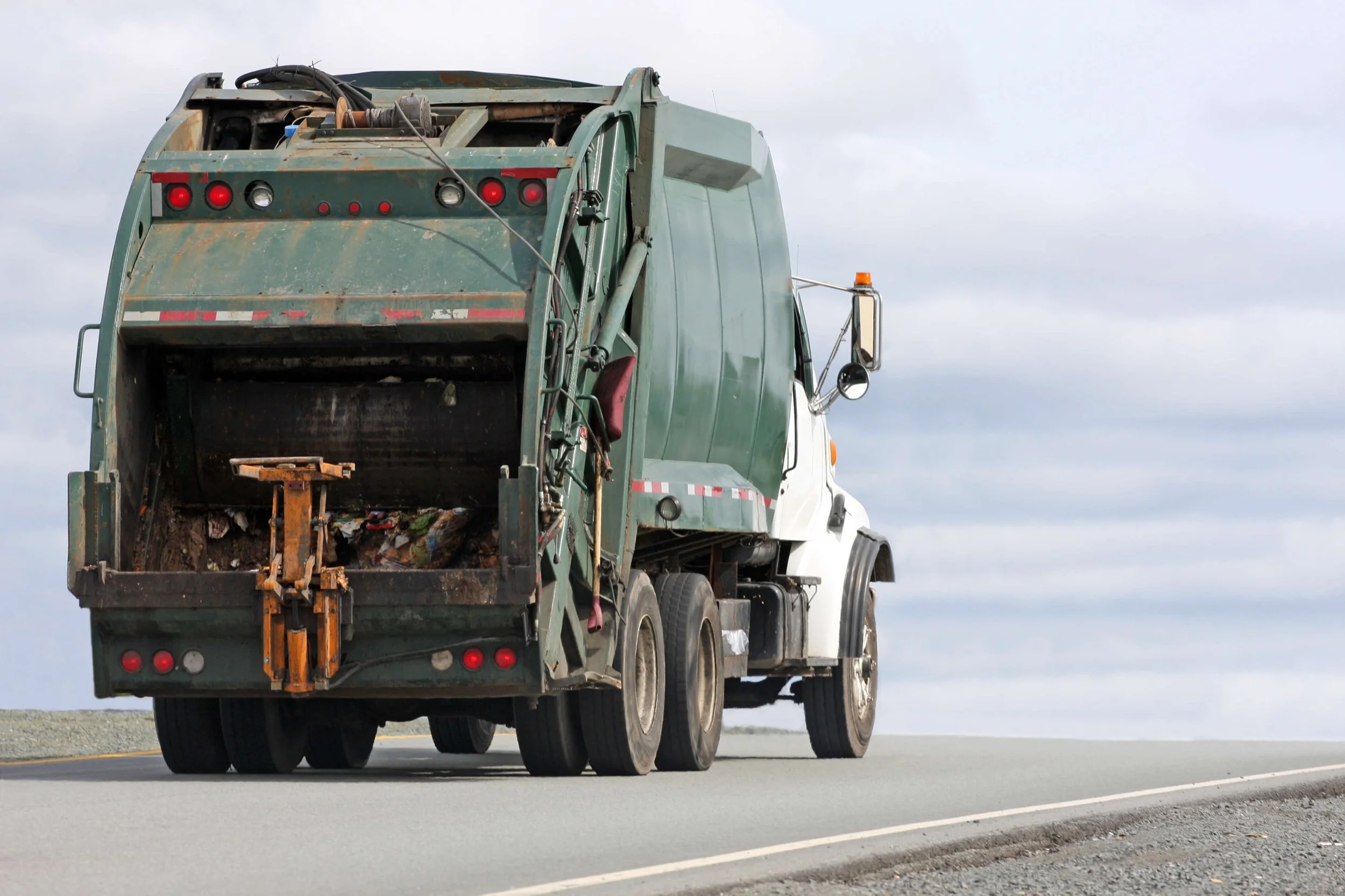
The type of trucks you need will depend on the specific services you provide. Rear load and side load garbage trucks, front load dumpster trucks, and even compactors, trailers, or pickup trucks are viable options depending on your needs.
Residential waste management companies can range from pickup trucks and trailers to rear load or side load garbage trucks. Commercial operations often use front load dumpster trucks or compactors. Industrial and Construction companies mostly use large dumpsters and trucks that can drop off and pick up construction dumpsters. The type of trucks you need to purchase will be based on which of these services you choose to offer and the volume of waste you expect to haul.
For more information on waste trucks, check out Waste Management Trucks and Leasing.
-
You need a Class A CDL license to drive most front-load, side-load, or rear-load garbage trucks, but no special license is required if you’re operating with just a pickup truck and trailer.
Most commercial-grade garbage trucks fall under heavy-vehicle regulations, meaning drivers must hold a Class A Commercial Driver’s License (CDL). This ensures the operator is trained to handle the vehicle’s size, weight, braking systems, and hydraulic equipment.
In short, CDL requirements apply to full-size refuse trucks, while simple pickup-and-trailer operations fall outside these rules. The details below explain when a CDL is mandatory and what exceptions exist.
When a Class A CDL IS Required
Front-load, side-load, and rear-load garbage trucks: These vehicles typically exceed CDL weight thresholds (26,001+ lbs Gross Vehicle Weight Rating, or GVWR).
Vehicles with air brakes: Even if the GVWR is borderline, air brakes usually trigger CDL requirements.
Commercial hauling routes: Municipal or contracted waste collection almost always requires CDL-certified drivers.
When a Special License Is Not Required
Pickup truck with utility trailer: If the combined weight does not exceed CDL limits (usually under 26,000 lbs), a standard driver’s license is sufficient.
Light-duty collection or junk removal: Small-scale operations using non-commercial trucks typically avoid CDL rules.
Additional Considerations
State-specific rules: Some states require endorsements (air brakes, combination vehicles) even with a CDL.
Insurance requirements: Even if a CDL isn’t required, your insurer may require specific driver qualifications for coverage.
Future scaling: If you plan to upgrade to larger trucks, obtaining a CDL early can prevent business interruptions.
-
Waste Management services can include residential garbage disposal, commercial dumpster or compactor disposal, or industrial waste and construction pickup.
The Waste Management industry includes many different services and options. Services can be divided into three main categories: Residential, Commercial, and Industrial/Construction. The category, or sector, you choose to operate in will determine the types of services you provide and the equipment you will need.
Residential services almost exclusively include your home trash pickup. From rural territories to urban municipalities, residential waste management will involve some form of manual or automated trash pickup from residences.
Commercial services include dumpster pickup at offices or behind restaurants and other businesses, and also compactors or large dumpsters at apartment complexes or other large facilities.
Industrial/Construction services will include large dumpster rentals and pickup services for construction sites and home renovations. These are usually temporary development locations and short to medium length rental services instead of permanent installations.
As a Waste Management operator, you can choose which sector you wish to focus on. Each one has different opportunities and challenges. Route Consultant can help you identify which sector would be the best fit for you.
-
Most Waste Management operations can net an EBITDA margin of 20-30% of Annual Revenue.
The EBITDA margin potential of Waste Management routes is highly dependent on the specific services you provide and how efficiently you operate the business. The average expected margin range is 20-30% of Annual Revenue, while certain specialized waste services can achieve even higher margins.
Residential Routes: These tend to have lower margins, often in the 15-25% range, because of lower densities, more stops per unit revenue, and higher trucks/fuel per stop.
Commercial Routes: Higher margin potential, average margins around 30-35% for well-run operations with strong customer contracts.
Industrial or Specialized Routes: These can command margins in the 35-40%+ range, due to higher-value service, less competition, and specialized handling requirements.
-
No, you don’t need a traditional office, but you do need space to park trucks and store dumpsters.
Most waste management businesses operate in the field, so a physical office is not required—especially for small or startup operators. Many owners run dispatch, billing, and admin remotely or from a home office.
However, you will need a secure yard, lot, or warehouse to park trucks and store equipment. If you offer dumpster rental services, you’ll also need space to store, clean, and rotate dumpsters between customers. This can be a fenced lot, industrial yard, or warehouse facility, depending on local zoning and scale.
-
Yes, SBA loans and traditional bank financing are common ways to fund a waste management startup or acquisition.
SBA loans and conventional bank loans are widely used to finance waste management businesses, whether you’re buying an existing company or starting from scratch.
Waste management is considered an asset-heavy industry, which can make financing more accessible than some other logistics businesses. Garbage trucks, roll-off trucks, compactors, and dumpsters are high-value assets that lenders can use as collateral, which can improve loan approval odds and terms.
Many lenders look for 10–25% equity, a solid business plan, and projected financials when underwriting a waste management loan.
Learn more about financing for waste management routes.
Ready to get started?
Explore listings or learn the basics with our free 101 course.

Why Contractors and Investors Trust Route Consultant
Industry Leadership
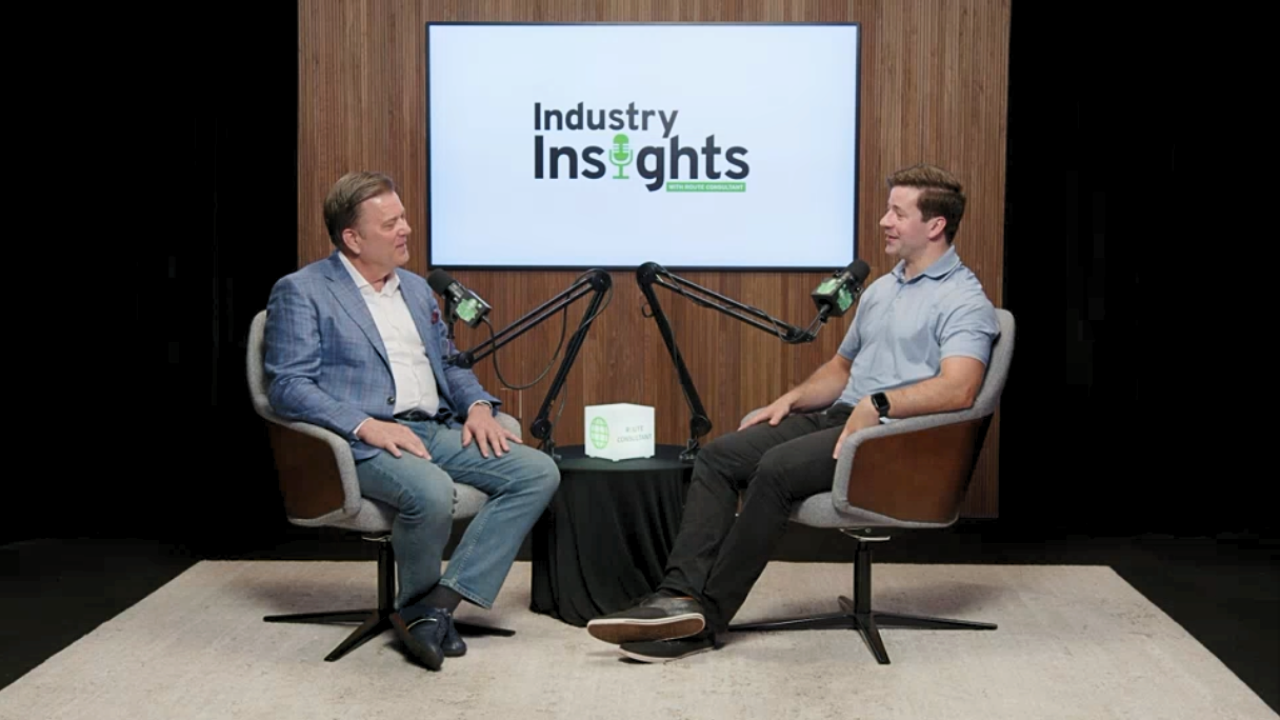
We also publish weekly Industry Insights, one of the most comprehensive knowledge hubs for route-based businesses—covering entrepreneur stories, business strategies, industry updates, and more.